
Should voting be a duty or a choice?
Compulsory participation raises a question that turnout alone cannot settle.
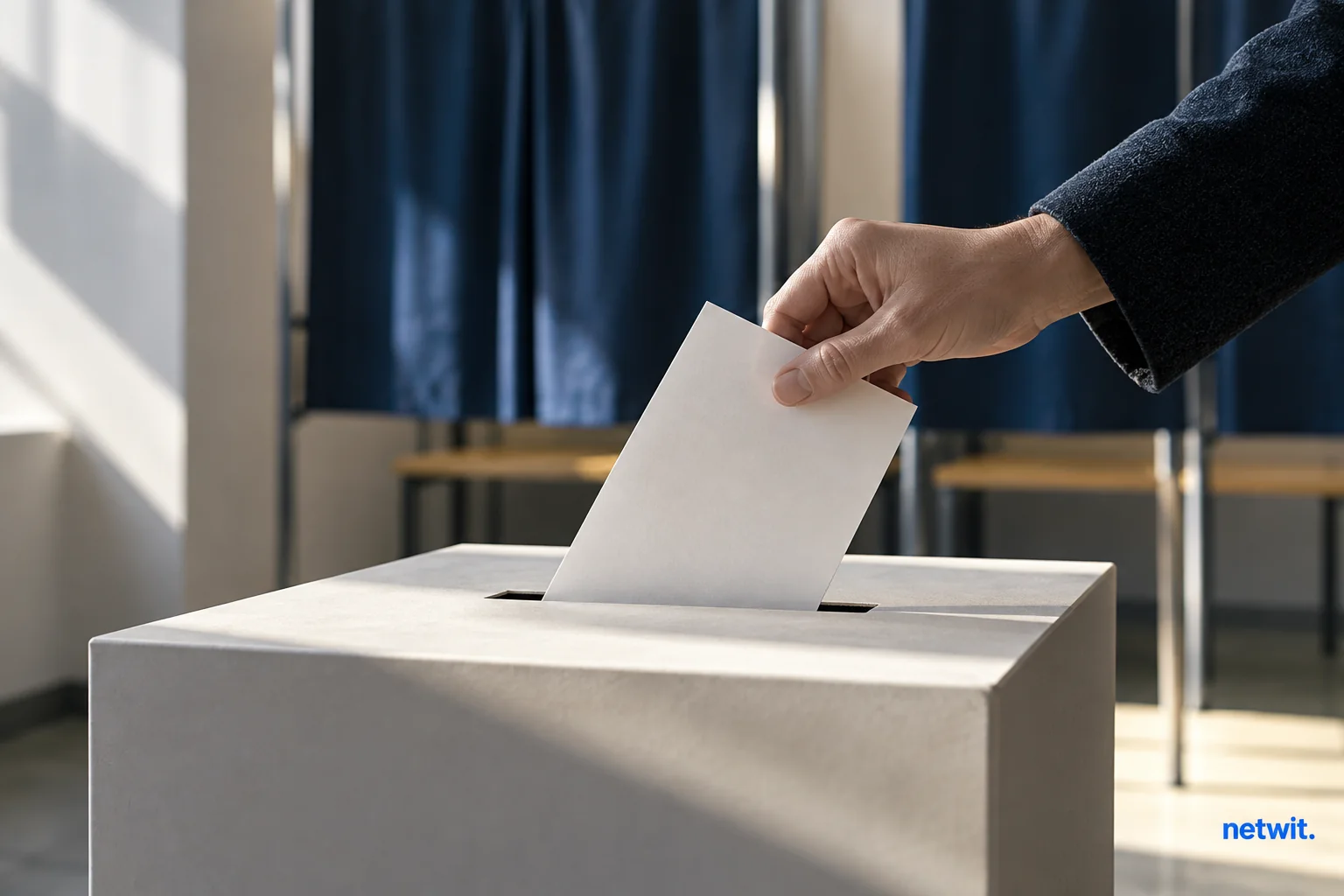
Imagine an election in which everyone must attend, but everyone may leave the ballot blank. Supporters could call this a shared civic duty. Critics could still see the obligation as an intrusion. Both positions deserve more than a slogan about lazy voters or controlling governments.
Participation and endorsement
A requirement to attend is different from a requirement to support a candidate. That distinction matters, but it does not remove the practical burden. Someone working an unpredictable shift might face a different cost from someone with a flexible schedule. A fair debate needs to ask how access would work before discussing punishment.
What would count as success?
Higher participation is one possible goal. Better representation, informed choice, and confidence in the process are others. They need not move together. An argument for compulsory voting should explain which outcome it seeks and why a requirement is preferable to easier registration or more convenient voting.
The strongest objection
A person may abstain deliberately because they reject the choices or the process. Defenders of a voting duty need an answer to that expression of conscience. Opponents, in turn, should explain how a voluntary system can hear people who face obstacles rather than simply assuming everyone who stays home is making a free choice.
Bring your perspective
Would a blank-ballot option change your view of compulsory voting?
Start a debate