
A political donation should not buy a private audience
The most valuable reward for a donor may be access, not a promise. That deserves scrutiny before any law is broken.
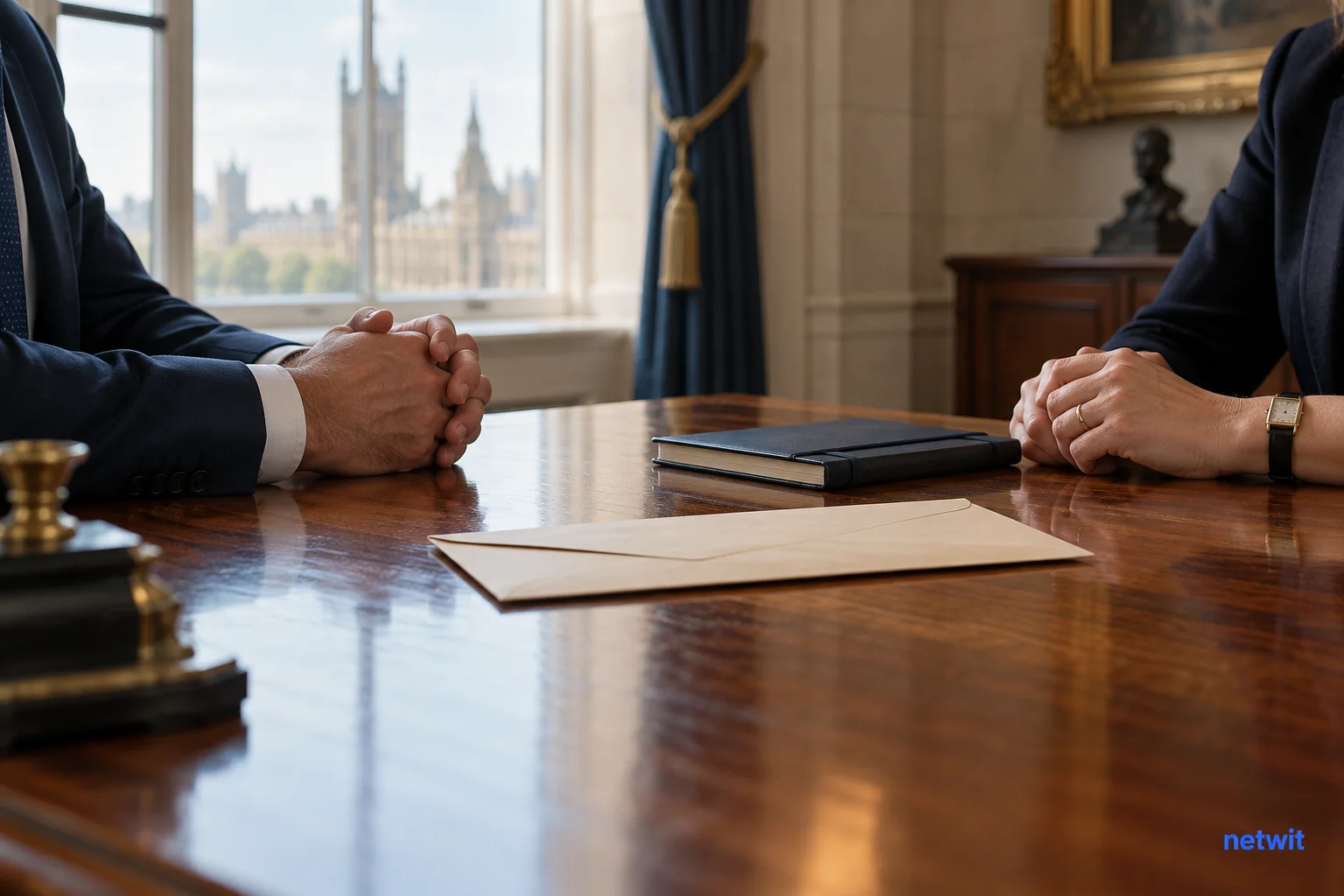
Imagine two residents asking an elected official to consider the same proposal. One gets a form to complete. The other gets dinner and an uninterrupted hour. Nobody needs to promise a favorable vote for the arrangement to create an advantage. The donor has bought a better opportunity to define the problem.
The conversation before the decision
Influence begins with which questions get heard. A private meeting can give an advocate time to answer objections, provide a preferred set of figures, and make follow-up requests. Public disclosure of the final donation does not necessarily reveal that process. A reasonable policy should therefore examine access as well as money.
The objection that deserves an answer
Representatives need private conversations. Constituents may bring sensitive problems, and organizations may offer useful expertise. Requiring every conversation to become a public performance would make government less responsive. The distinction should be between privacy that protects a constituent and exclusivity sold through a fundraising arrangement.
Open the door without exposing everyone
Publish meetings about policy, identify the organizations involved, and explain the subject without revealing confidential personal details. Offer accessible channels for people who cannot attend a fundraiser. None of this guarantees equal influence, but it makes unequal access harder to disguise as ordinary listening. The question is not whether donors can speak. It is whether money should determine who gets a patient audience.
Bring your perspective
Should a politician be allowed to offer private policy meetings as a fundraising benefit?
Start a debate