
When does a tradition deserve to change?
Age alone cannot tell us whether a practice is valuable or fair.
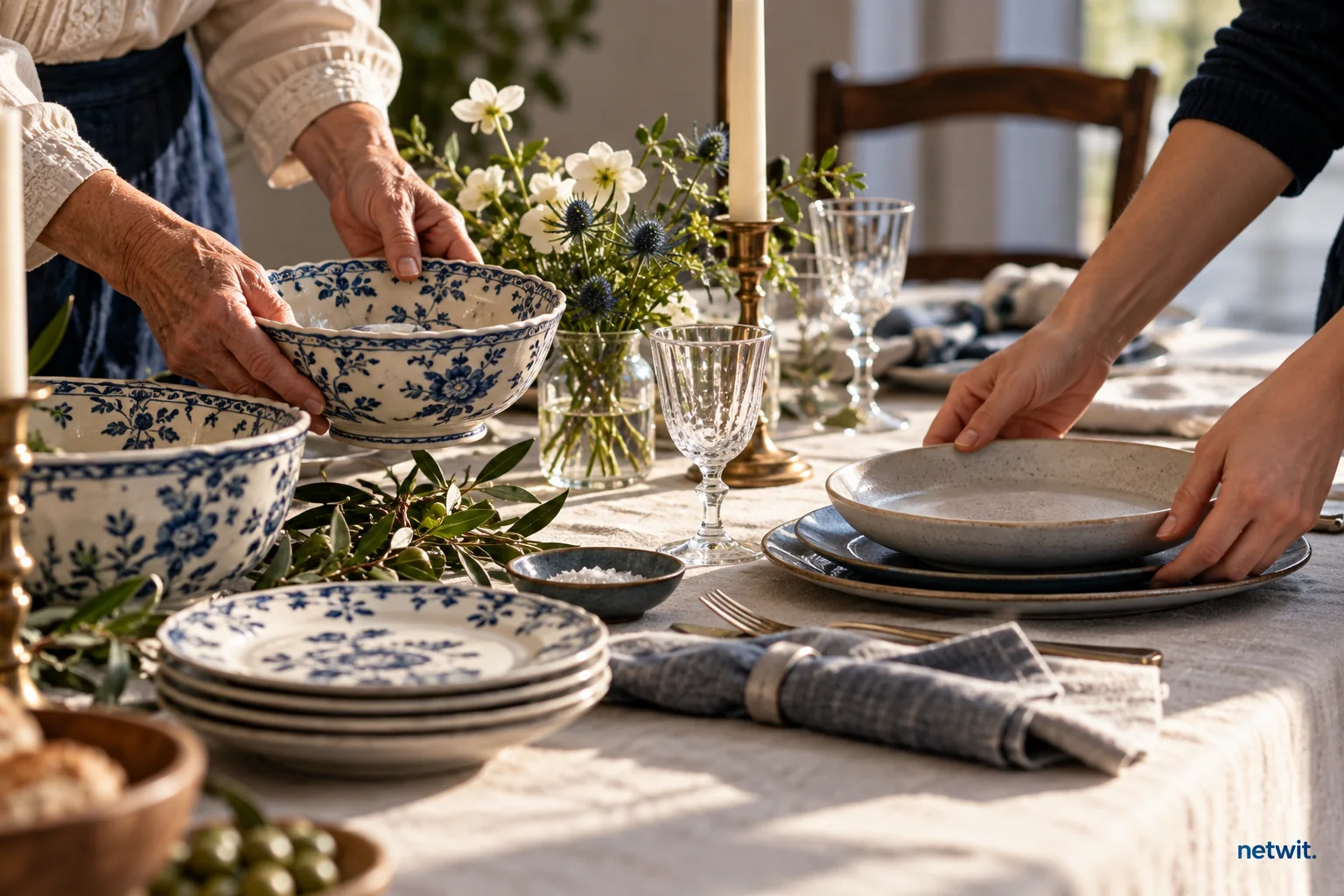
A family repeats a ceremony because it connects generations. A younger member asks to change one part. To some, the request sounds like rejection; to others, the refusal sounds like control. Before deciding who is right, it helps to ask what the tradition is meant to preserve.
Find the purpose
A practice might express gratitude, remembrance, welcome, or commitment. Its familiar form can matter deeply, but its purpose may survive a different form. Identifying that purpose allows people to discuss whether a proposed change actually weakens the tradition or makes participation possible for more people.
Listen to the cost
The person who enjoys a custom may not bear its burdens. Ask who provides the labor, pays the expense, or feels pressured to take part. A celebration can be meaningful and still distribute its demands unfairly. Naming that tension is a contribution to the tradition, not necessarily an attack.
Try an explicit agreement
A family might preserve a shared meal while making one ritual optional. Another might alternate formats. Such arrangements work best when participation is not treated as a hidden measure of love. The goal is a practice people can explain and choose, rather than a test they are afraid to fail.
Bring your perspective
Which matters more in a tradition: its familiar form or its underlying purpose?
Start a debate